Sazo Revolutionizes Global E-commerce with AI-Powered Cross-Border Shopping Platform, Secures $10.3 Million in Series A Funding

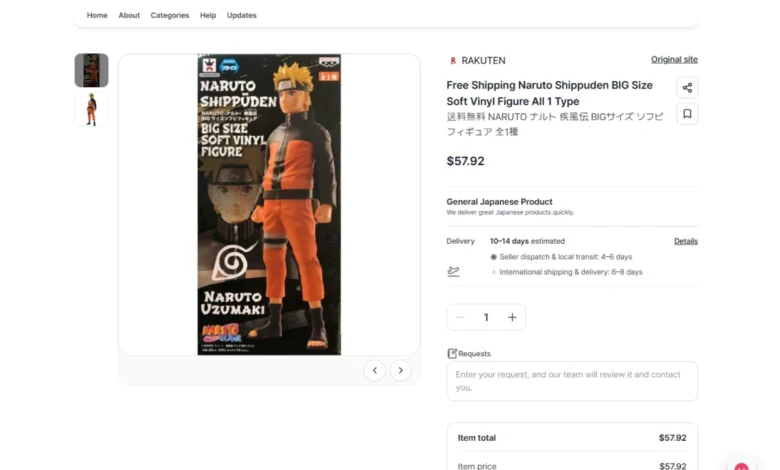
Sazo, an innovator in agentic artificial intelligence (AI)-powered cross-border commerce, is rapidly expanding its global footprint, most recently entering the crucial U.S. market. The company aims to dismantle the traditional barriers to international online shopping, making it as effortless for consumers to purchase goods from abroad as they would from a domestic retailer. This ambitious vision is underscored by a recent successful Series A funding round, securing $10.3 million to accelerate its growth and technological development.
The Vision: Seamless Global Shopping for the Modern Consumer
At its core, Sazo’s mission, as articulated by Chief Financial Officer Gavin Jung, is to empower consumers with unprecedented access to international markets. The platform leverages advanced AI to simplify complex logistical and regulatory hurdles that have historically plagued cross-border transactions. By streamlining everything from customs and duties to currency exchange and shipping, Sazo seeks to create a truly borderless shopping experience. This approach directly addresses a growing consumer demand for unique, niche, or culturally specific products often unavailable in local markets, particularly from regions like South Korea and Japan.
Sazo’s Journey: A Chronology of Strategic Expansion
Founded in 2023 by CEO Maro Gil, Sazo embarked on its expansion journey with a clear, phased strategy. The company initially launched its cross-border commerce services connecting South Korea to Japan in early 2024. This initial corridor proved vital for refining its AI-driven platform and understanding the intricacies of regional trade flows. Building on this success, Sazo further solidified its presence in the East Asian market by planning to add Japan-to-Korea commerce in June 2025, demonstrating a commitment to bidirectional trade routes.
The most significant recent milestone for Sazo is its entry into the U.S. market as of June, enabling American shoppers to purchase products directly from Japan. This expansion marks a pivotal moment, connecting one of the world’s largest consumer markets with Japan’s rich array of unique goods. Sazo’s headquarters are strategically located in Nagoya, Japan, with additional operational offices in Tokyo and Seoul. Reflecting its commitment to the newly entered U.S. market, the company plans to establish another office in California within the next year, further cementing its physical presence and operational capabilities in North America. This strategic geographical spread allows Sazo to maintain close ties with its primary source markets while expanding its reach to key consumer bases.
Navigating the Complexities of Cross-Border Trade: A Shifting Landscape
The timing of Sazo’s expansion, particularly into the U.S., is notable given the evolving global trade landscape. Gavin Jung highlighted a seemingly "counterintuitive" macro backdrop where trade is becoming increasingly restrictive, yet cross-border demand continues to surge. A significant factor in this shift is the recent elimination of the de minimis duty exemption by the U.S. for certain imports, a rule that previously allowed low-value shipments to enter the country duty-free.
Historically, e-commerce platforms often employed various "duty-free tricks" to keep prices low for international shoppers. However, with changes like the de minimis rule adjustments, the paradigm has shifted. As Jung explains, the competitive advantage now lies with companies that can absorb customs processes more smoothly for shoppers. This evolution plays directly into Sazo’s model, which prioritizes transparency and seamless integration of all associated costs upfront.
The global cross-border e-commerce market is a colossal and rapidly expanding sector. Industry reports project it to reach well over $2 trillion by the mid-2020s, driven by factors such as increasing internet penetration, mobile shopping adoption, and a growing desire among consumers for unique international products. However, this growth comes with inherent complexities: fluctuating exchange rates, diverse customs regulations, varying tax structures, and intricate shipping logistics across different countries. These challenges often result in unexpected fees, delays, and a fragmented shopping experience for consumers, creating a significant market opportunity for innovative solutions like Sazo. The demand for products from culturally rich nations like Japan and South Korea, fueled by global phenomena such as K-pop, anime, and distinctive fashion trends, further amplifies this need for streamlined international purchasing.
The Core of Innovation: Agentic AI at Work
The cornerstone of Sazo’s operational efficiency and competitive edge is its proprietary agentic AI technology. Jung elaborated on how this AI tackles the most common pain points in cross-border purchases. Specifically, Sazo’s AI is engineered to:
-
Estimate Duty and Shipping Upfront: One of the most significant frustrations for international shoppers is unexpected costs upon delivery. Sazo’s AI accurately calculates tariffs, duties, and international shipping fees at the point of purchase, incorporating them into a single, transparent price. This eliminates the need for customers to handle separate customs invoices or face unforeseen foreign exchange surprises later. The AI achieves this by precisely classifying products using Harmonized System (HS) codes, which are globally recognized numerical codes for classifying traded products, allowing for accurate duty and tax assessment based on the destination country’s regulations.
-
Translate Listings: Language barriers are a common deterrent in cross-border shopping. Sazo’s AI facilitates seamless translation of product listings, making items from Japanese or Korean sellers accessible and understandable to English-speaking consumers, and vice-versa for its other corridors.
-
Consolidate Items from Different Sellers: When a consumer purchases multiple products from various sellers within a source country, Sazo acts as a proxy buyer. The AI orchestrates the acquisition of these disparate items, then consolidates and repackages them into a single shipment. This not only reduces shipping costs for the consumer but also simplifies the tracking and delivery process, enhancing the overall convenience.
-
Clear Customs Smoothly: The AI manages the complex customs clearance procedures, ensuring all necessary documentation is correctly filed and regulations are met. This automated process minimizes delays and reduces the administrative burden on both the consumer and the sellers.
The term "agentic AI" in this context refers to AI systems designed to perform specific tasks or act on behalf of a user, often making decisions and executing actions autonomously within defined parameters. Sazo’s AI functions as an intelligent agent that navigates the labyrinthine world of international commerce, making it appear simple and seamless to the end-user. This capability is not merely about automation; it’s about intelligent automation that learns, adapts, and optimizes the entire cross-border transaction flow.
Looking ahead, Sazo is not just focused on its direct-to-consumer platform. Jung revealed strategic plans to build Sazo’s technology stack "to be the cross-border back end that AI agents can plug into." The company intends to develop an Application Programming Interface (API) for AI agents, allowing external partners to integrate Sazo’s sophisticated cross-border capabilities as a service. This move positions Sazo as a critical infrastructure provider in the burgeoning AI-driven commerce ecosystem. As AI agents increasingly take on roles like searching, recommending, and even purchasing on behalf of users, they excel at product discovery but often lack the "execution layer" for complex tasks like customs clearance, duty prediction, or local fulfillment. Sazo aims to own this crucial execution layer, ensuring its relevance regardless of which AI agents dominate the market. This B2B strategy opens up significant new revenue streams and strengthens Sazo’s foundational role in the future of global e-commerce.
From Idea to Investment: Sazo’s Funding Success and Founding Story
Sazo’s innovative approach has attracted substantial investor confidence, culminating in a Series A funding round that raised $10.3 million. This significant investment will fuel Sazo’s talent acquisition across development and service operations, and accelerate its efforts to build a comprehensive cross-border ecosystem.
The company’s origin story is rooted in a personal challenge faced by its CEO, Maro Gil. While studying abroad in Nagoya, Japan, as a student from Korea, Gil encountered significant difficulties purchasing products related to his hobbies from his home country. Despite the geographical proximity of Korea and Japan, the friction in cross-border shopping was immense. This personal frustration, coupled with his background in AI, sparked the idea for Sazo. Jung noted that Gil’s initial prototype was, as expected for a first product, "very inefficient in terms of how it was engineered, how it was architectured and everything." However, it laid the groundwork for the sophisticated platform Sazo operates today.
The Series A round was led by prominent Japanese investors, Japan Post Capital and Suzuyo & Co., both of whom had previously spearheaded Sazo’s pre-Series A financing. This continued investment signals strong belief in Sazo’s business model and growth potential. Additional notable investors include South Korean tech giant Naver, and major Japanese financial institutions Sumitomo Mitsui Banking Corporation (SMBC) and Mizuho Bank. Japanese venture capital firms Partners Fund and D4V (Design for Ventures) also participated. This diverse group of investors, ranging from postal services to banking and venture capital, reflects the broad appeal and perceived impact of Sazo’s solution across different sectors.
CEO Maro Gil expressed enthusiasm about the company’s trajectory, stating, "Our global service has grown rapidly, with monthly gross merchandise value increasing roughly sevenfold over the past six months." This impressive growth in GMV—a key metric representing the total value of merchandise sold over a given period—underscores the strong market demand for Sazo’s services and the effectiveness of its platform.
Understanding the Global Consumer: Market Trends and Insights
Sazo is currently experiencing robust growth, with a month-over-month expansion rate of 25%. While Gavin Jung observes that Sazo’s customers in Korea and Japan share common traits, he has identified interesting differences in their shopping behaviors and demographics.
In Japan, customers purchasing from Korea frequently seek out products related to K-pop stars, reflecting the immense popularity of Korean pop culture globally. Beyond entertainment merchandise, there is also a significant demand for Korean food items. Demographically, Sazo’s Japanese customer base tends to be younger and predominantly male, aligning with typical demographics for early adopters of new online platforms and enthusiasts of specific cultural imports.
Conversely, Sazo’s customer profile in Korea, when buying from Japan, presents a different picture. Jung initially anticipated a younger demographic, primarily teenagers or young adults in their 20s, given the appeal of Japanese anime, manga, and gaming culture. However, he found that more than half of Sazo’s Korean customers are females in their 30s and 40s. This suggests a broader appeal and potentially different motivations, perhaps encompassing a wider range of lifestyle products, fashion, or specialty items beyond typical youth culture imports.
Another surprising insight for Jung was the platform’s average order value (AOV), which stands at over $100. He initially expected Sazo to be used primarily for smaller, cheaper purchases. This higher-than-anticipated AOV indicates that consumers are willing to spend significantly on items they truly desire from international markets. Jung specifically noted the dedication of "IP maniacs"—individuals deeply invested in Japanese anime, characters, and other intellectual property—who are willing to spend considerable amounts to acquire authentic merchandise. Interestingly, the AOV among Sazo customers in Japan is slightly smaller than that among customers in Korea, suggesting nuanced purchasing patterns across different corridors. These insights are crucial for Sazo to refine its marketing strategies, product curation, and overall service offerings to better cater to its diverse international customer base.
Broader Implications and Future Outlook
Sazo’s emergence and rapid growth have significant implications for the broader e-commerce landscape. By effectively removing the friction from international transactions, Sazo is not only opening up new markets for consumers but also for small and medium-sized enterprises (SMEs) that previously found global expansion too complex or costly. These businesses can now access a worldwide customer base without having to navigate the labyrinth of international logistics, customs, and payment processing themselves. This democratization of cross-border trade can stimulate economic growth in both source and destination countries.
The company’s focus on agentic AI also highlights a crucial trend in digital commerce: the increasing reliance on intelligent automation to handle complex, data-intensive tasks. As AI technology continues to advance, platforms like Sazo will likely become the standard, rather than the exception, for any business operating globally. The strategic decision to offer its technology as an API positions Sazo as a foundational layer for future AI-driven commerce, potentially becoming an indispensable backend service for other platforms and intelligent agents.
However, Sazo also faces challenges inherent in its rapid expansion. Scaling operations while maintaining service quality, adapting to ever-changing international trade regulations, and fending off potential competitors will be crucial. The company’s ability to consistently innovate and expand its service corridors—potentially beyond Korea and Japan to other high-demand regions—will determine its long-term success. The planned California office and continued investment in talent signify Sazo’s proactive approach to addressing these challenges and capitalizing on the immense opportunities in the global cross-border e-commerce market.
In conclusion, Sazo is not merely another e-commerce platform; it is a testament to the transformative power of AI in breaking down geographical and logistical barriers in global commerce. By making international shopping seamless, transparent, and accessible, Sazo is reshaping consumer expectations and setting a new benchmark for the future of cross-border trade, connecting cultures and economies one frictionless transaction at a time.